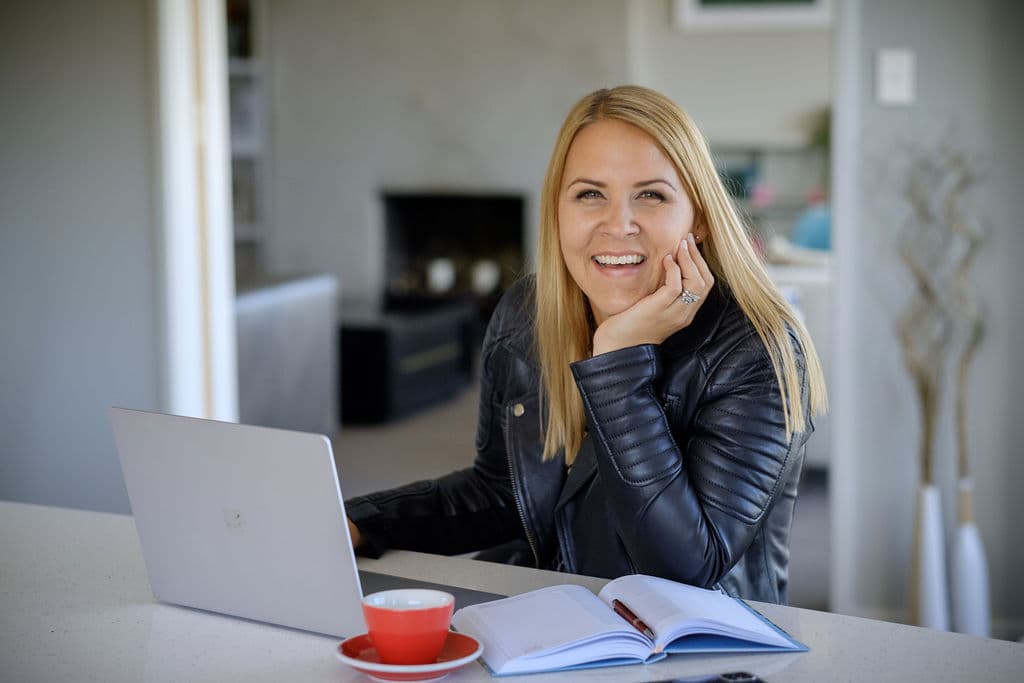

The mistake Brigitta sees most often
The scattergun approach. Applications addressed to the wrong company, an operations CV sent for a sales manager role, the same document fired at everything on Seek. Brigitta understands why people do it when they need work, but it is the fastest way to be passed over.
The applicants who get her attention do three things. They tailor the CV and the cover letter to the actual role and company. They apply within the first week, because shortlisting usually starts by day seven. And they pick up the phone. Her number is on every advert, and a five-minute call to say “my CV isn’t clear on this, can I explain” regularly gets a late applicant onto a shortlist that was already closing.
CV red flags, and what to do instead
There is a fuller version of this in our guide to writing a CV for the NZ market.
- A pasted list of responsibilities. If the same duties appear under every role, you have told the reader nothing. Put outcomes and targets against each job: what changed because you were there.
- Unexplained gaps or moves. A company closing, a partner’s illness or a child who needed you are all normal. Give a line of context in the cover letter and the gap stops being a question mark.
- No LinkedIn link. Employers cross-check. Keep the profile current and link to it.
- A photo? Optional. If you include one, keep it small, passport-style in a corner, not a full headshot.
- Your public socials. Google yourself before you apply, then check your Facebook and Instagram from a friend’s phone. Nobody minds that you have a life. A 2017 party photo on an open profile while you are pitching for a senior role is still worth hiding.
Will AI read my CV before a human does?
In large corporates, increasingly yes. In the SME market where Brigitta works, no. Whether a role draws ten applications or a hundred, she reads every one, because the person who is nearly right for this job is often exactly right for the next one. Preliminary screening questions handle the hard filters, such as the right to work, and everything else gets a human look.
Where AI does belong is on your side of the table. Brigitta recommends using it as a free interview coach: paste in the job advert and your CV, ask it for the questions you are most likely to face, then record your answers and listen back. Ask it for the hard questions too. Preparation is the single biggest thing separating the two finalists for a role, and it is free.
Interview basics that still decide close calls
See also our interview tips for NZ job seekers. When it comes down to two good candidates, Brigitta says the decision is usually made on how clearly and confidently each one came across, not on a missing qualification. Her list:
- Dress a notch above the person interviewing you. Not a tie, but a jacket. If you are coming straight from site, say so in advance.
- Arrive five minutes early, not twenty. Sit in the car if you have to. Greet whoever is on reception, because first impressions start there.
- Have two or three questions ready. Good ones: “What would 60 days, 90 days and 12 months look like in this role?” and, for an owner-operated business, “What has been the key to staying in business this long?” Bad ones: “When can I start?” and “How much will I get paid?” There is a place for salary, and it is not here.
- Keep politics and religion out of it, and go easy on the sport. The person across the table may hold the opposite view, and the easier, more pleasant candidate gets the job.
- Close the loop afterwards. A thank-you and a note on how it went shows you want the role. Most people never send one.
Breaking into a role or an industry without the experience
Brigitta had never worked in recruitment when a Hamilton agency hired her from a science background, and many of the people she has placed came from outside their industry too. The ad’s “five years’ experience” is rarely the real requirement. Attitude and fit usually are.
If you want the step up, find the life examples that prove it. Put your hand up to lead a project in your current job, even without direct reports. Do a course and be able to talk about what you learned, not just that you passed. Captaining a team, four years of rowing, a black belt or regular volunteering all show commitment, reliability and turning up when it is hard, and every employer is hiring for exactly that. If the ad asks for five years and you have three, ring up. Offer a day on site to observe. Those things get people jobs.
Get a grounding in AI before your next interview
Brigitta’s clients are starting to ask for AI exposure, and she expects it to become a standard interview question. You do not need to be an expert. Get a foundation, then make it relevant to your field: machine learning and automation in manufacturing, the latest ERP and MRP systems in warehousing and logistics, the everyday tools in an office role. The candidate who says “I am never going to use it” sounds like the builder who refused to pick up an impact driver. The one who says “I use it and here is how” gets the look-in.
What employers could do better
Every business owner asks the same question: why can I never find anyone good? Brigitta’s answer is direct.
- Stop waiting for the perfect candidate. Fully trained, perfect attitude, low salary expectations: that person is not on the market. Good people are busy being good in their current job, so the role has to be attractive enough to move them, and the pay has to reflect the skills you are asking for.
- Hire for attitude and invest in the gap. Someone hungry and nearly there will usually outperform someone with the exact history and old habits.
- Be clear and be quick. Set expectations up front, then get back to people. The longer the process runs, the more often the best candidate has taken another offer. Even “there is nothing to tell you yet” is better than silence, and candidates talk to each other about who never replied.
On why businesses use a recruiter at all, Brigitta’s numbers are simple. An advert reaches the third of the market that is actively looking. The other two-thirds are people doing a good job somewhere else, plus the people they would refer. RecruitNet goes to all three, then turns a hundred applications into ten or twelve interviews and a shortlist of three to five, with the reference checks, interview preparation and salary conversation handled along the way. Here is how that works for employers.
What the market looks like right now
More candidates are on the market than a year ago, and they are willing to move. Brigitta’s direct approaches on Seek over the last six months had a 100 per cent open-and-reply rate, which her account manager had not seen from any other agency. The slow part is employers taking too long to decide because they assume the candidates will wait. They do not.
Brigitta’s checklist for standing out
- Apply in the first seven days.
- Tailor the CV and cover letter to this role and this company, with outcomes, not duties.
- Ring the number on the advert, or send a LinkedIn connection request with a note saying why.
- Update LinkedIn and lock down your personal socials.
- Prepare with AI as your interview coach, then turn up early, well dressed and with questions.
- Follow up afterwards with manners. The person who does is the person who wants the job.
If you would like Brigitta on your side for your next move, send us your CV or browse the roles we are recruiting now. Employers who recognised themselves in the second half can talk to us about the role you are struggling to fill.